How do you make learning fun? The best way is to embrace it, not to force it.
I’ve recently asked you, on my social media accounts, if you can include learning on vacation, or are vacations only for having fun?
As I have been contemplating how to help you understand how fun learning can be, I was introduced to a couple of terms: natural learning and intentional learning.
I believe that understanding the differences and similarities between these two terms can encourage you to see the fun in learning wherever you go.
What Is Natural Learning?
Natural learning springs from curiosity and discovery. Children are the best natural learners. They are learning about the world around them, and their curiosity is running rampant. They have a hundred questions! Sometimes it’s exhausting, but it can also be fun.
A child sees a worm and calls it a snake. There is a natural learning opportunity! Just talking to them and explaining the difference between a worm and a snake is one of the easiest ways to encourage learning.
Do you turn that moment into intentional learning? That would depend.
And here is where I would like to introduce another term: child-led learning.
Child-Led Learning vs. Adult-Led Learning
Is the child continuing to show interest by asking questions about worms and snakes? Or do YOU want your child to learn more about worms and snakes? That’s the difference between child-led and adult-led learning.
Possibly, you want to teach the difference between a worm and a snake because one could be safe and the other could cause harm.
You might be asking: What is child-led learning? Does it mean I can only teach what the child wants or is interested in?
Not at all!
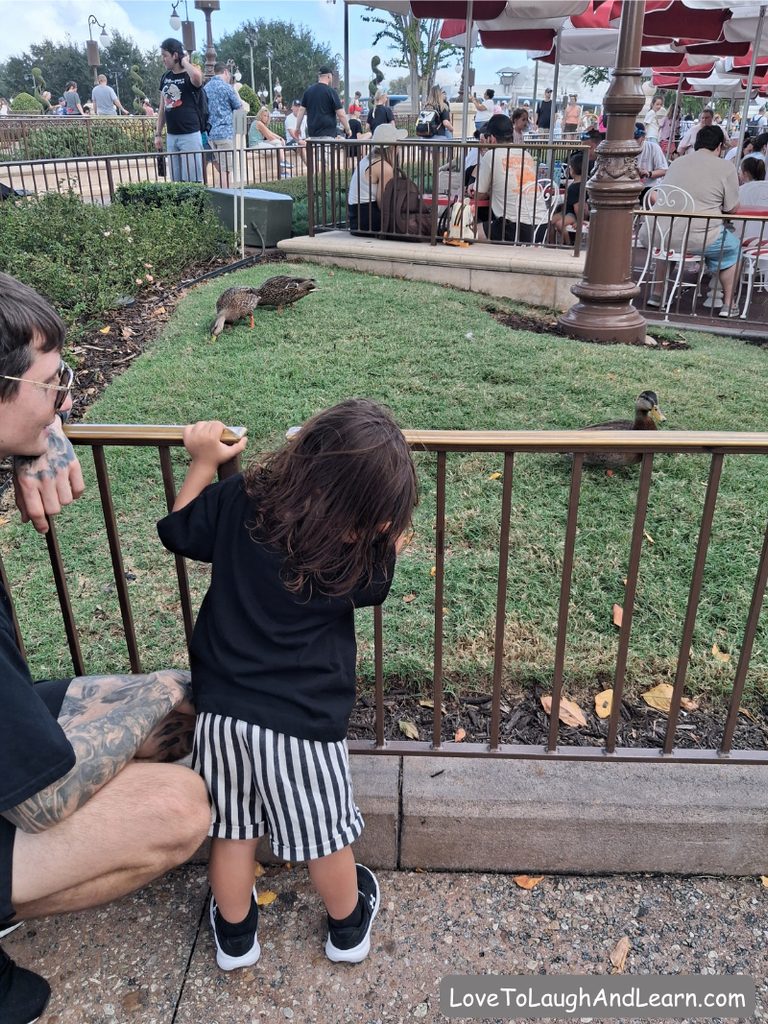
Child-led learning is following the child’s natural curiosity, answering their questions, and guiding them in their interests.
In adult-led learning, the adult deliberately introduces something worth learning. Using my earlier example, perhaps that means explaining how to recognize a potentially dangerous snake or planning a visit to see reptiles.
Child-led and adult-led learning don’t have to be opposites. Sometimes they work together beautifully.
The National Association for the Education of Young Children explains more about this in their article, The Power of Playful Learning in the Early Childhood Setting, which explores how children can learn through play, both independently and with guidance from adults.
Turning Natural Learning Into Intentional Learning
Your child has presented a natural learning experience, and you would like to follow up with some intentional learning. How do you do that and keep it fun?
I have always believed that books are a great place to start. They can be fun and informative. (I personally love books that are written in rhyme.)
For more fun intentional learning, find someplace interesting to take your worm- or snake-obsessed child. Maybe a local zoo or a pet store that specializes in reptiles.
You don’t have to go with worksheets in hand, but sometimes that’s fun, too!
Do some research before heading to your destination and create a fun, scavenger-hunt-style activity to do while on your adventure.
Can Learning Be Part of a Fun Vacation?
So, back to my earlier question: Can you include learning on vacation, or are vacations only for having fun?
You can definitely include learning and keep it fun. Sometimes, doing some fun, intentional, adult-led learning in advance can help.
Once, I was planning on taking my great-nephew, who was three at the time, to an apple orchard.
Before we went, I read him a book about an apple orchard. No lectures, no long explanations. I simply read him a book.
While we were at the orchard, he was so excited to see a big wooden crate, just like the one in the book!
That simple moment is exactly what I mean when I say learning can be fun. I didn’t have to stop our adventure to teach him something. The learning was already happening, and the book we had read helped him make a connection between the story and the world around him.
Make Learning Fun by Embracing Everyday Opportunities
Whether learning happens naturally through a child’s curiosity or intentionally through something you’ve planned, it doesn’t have to take the fun out of an experience.
Sometimes, the best way to make learning fun is simply to recognize the opportunities already around us, embrace them, and enjoy discovering something new together.
Related Posts
Learning Fun at Disney: The Importance of Imagination