Love to Laugh and Learn

Fun and interesting learning activities to do with the children in your life

  • Home
  • About Me
  • Attractions
  • Recipes
  • Privacy Policy

Love to Laugh and Learn at the Apple Orchard

September 23, 2013 by Mama Carmody 24 Comments

Love to Laugh and Learn at the Apple Orchard


Learning experiences at the apple orchard can be so much fun. I like to incorporate a little learning in everything I do but I don’t want it to be heavy handed. I don’t want the kids to actually realize they are learning. All I want them to experience is fun.

There is so much learning that can happen at an apple orchard. The lessons can be complex, such as learning about how bees pollinate or the growing cycle of an apple. Or the lesson can be very simple, like learning that the apples in the grocery store actually grow on trees.

Today, We Go for Simple

We are headed to the apple orchard with our 2 year old, great-nephew. I like to start learning opportunities with a book so we began by reading, “Picking Apples” by Gail Saunders-Smith. It was a great book for a young child; lots of pictures and a small amount of descriptive text. It describes picking apples from the tree to storing them in large wooden crates and finally trucking them everywhere. We were able to see the big wooden crates at the apple orchard; just like in the book!

We decided to head to Stuckey’s Farm today because they grow my husband’s favorite apples; McIntosh. When we arrive a gentleman gives us a basket and a bag to gather our apples in. Jeremiah wanted to carry the basket.

Love to Laugh and Learn at the Apple Orchard – Carrying the basket

We climbed onto a wagon behind a big tractor, to get a ride out to the area that the McIntosh apples were at.

Love to Laugh and Learn at the Apple Orchard – Riding on the Wagon

The Art of Picking Apples

The first apple Jeremiah picked came right off the tree with no problem…

Love to Laugh and Learn at the Apple Orchard – Picking Apples

…but the next one wouldn’t let go so Uncle Pat stepped in to explain if you just turn the apple a couple of times, it will come right off the tree.

Love to Laugh and Learn at the Apple Orchard – Picking Apples with Uncle Pat

This only had to be explained once and then Jeremiah became an expert apple picker.

Love to Learn and Learn at the Apple Orchard – Picking Apples Collage

We finished our day up with a frozen apple cider slushie…

Love to Laugh and Learn at the Apple Orchard – Frozen Apple Cider Slushie

…and a special apple Bento meal. Bento meals come from Japan and are in divided boxes. They do some pretty creative things with food and I find them fun for kids. Jeremiah’s apple themed meal consisted of a peanut butter and apple butter sandwich, cut with an apple shaped cookie cutter. There were a couple of apple cars, made from apple slices and grapes, and some cooked carrots.
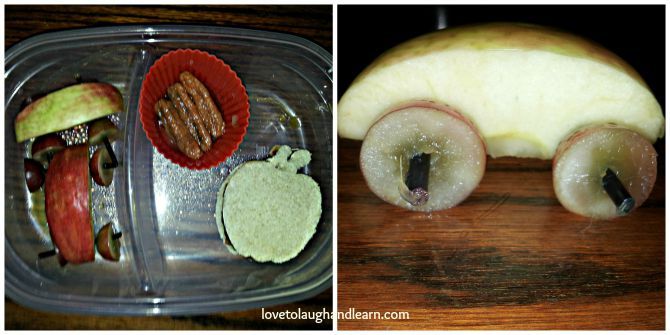
Love to Laugh and Learn at the Apple Orchard – Apple Bento Meal

We spent a little time at the playground before we left.

Love to Laugh and Learn at the Apple Orchard – Playing

Stuckey’s Farm is opening a new fun area called Adventure Acres. It consists of a 20′ tall tube slide, a barrel train pulled by a real tractor, pedals cars and more. We are going to have to go back and check that out, once it opens.

Learning Opportunities Jeremiah had at the Apple Orchard

1. That apples in the grocery store come from apple trees.

2. He got to see the big wooden crates the apples are stored in; just like we read about in the book.

3. He was able to watch a machine wash the apples then some workers sorted them and put them in bags.

4. He got the experience of receiving and following directions on how to get stubborn apples off the tree.

5. He was able to experience nature and enjoy climbing around and under the trees.

Future Learning Opportunities at the Apple Orchard

1. We can learn about bees because there is a beehive that you can safely observe from inside the orchard store.
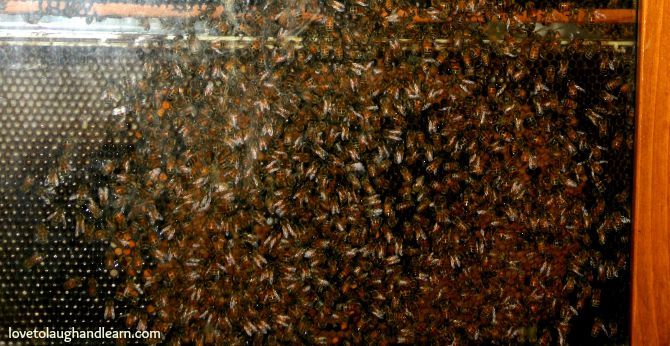
Love to Laugh and Learn at the Apple Orchard – Bee Hive at Stuckey’s

2. We can learn about the life cycle of an apple tree; from seed to apple.

3. We can see how apple cider is made. They make their own apple cider. You can watch the machines make it and fill the bottles but they weren’t manufacturing any the day we were there.

4. We can take apples home and make applesauce and other recipes. Cooking has so many learning opportunities and it’s fun.

We had so much fun at the apple orchard. I can’t wait to go again. Have you been to an apple orchard? What did you like about your trip? Maybe you live in an area where you go to orange groves instead of apple orchards. I would love to hear about your experiences.

You can find more fun activities with apples on an earlier post called, “A is for Apple: You Can Learn More Than Your ABC’s from Apples”.

More Books about the Apple Orchard:

Out and About at the Apple Orchard by Diane Mayr
Reading Level: Ages 5 to 8 yrs old
This is a very good book that describes the activities that go on at an apple orchard. The book explains how the apples start as flowers and how the bees help the flowers change into fruit. Your child will learn about the many things the orchard workers need to do to help the apples grow. It is a fun little book. The pictures in this book are brightly drawn illustrations. Although, I prefer photo illustrations in books I am using for learning purposes, the drawings are quite adorable.

Related Posts:

Pumpkins are Orange; and Other Learning Concepts
A is for Apple: You Can Learn More Than Your ABC’s from Apples
Colors – Overview
Shapes – Overview
Fun with Music – Overview

Filed Under: Attractions and Events, Learning Activities Tagged With: apple orchard, apples, family friendly, family friendly activities, family friendly events, fun learning, laugh, learning, learning fun, learning opportunities, love to laugh, love to laugh and learn, making learning fun, picking apples

Let’s Play with Toy Guns

December 20, 2014 by Mama Carmody 5 Comments

Let’s Play with Toy Guns

I believe toy guns are getting a bad rap. I must say I hadn’t given it a lot of thought before but now I have a grandson and a couple of great-nephews, so an interest in guns is something we are going to have to deal with.

I raised two girls so guns were never a big subject around our house. We played with water guns and bubble blowing guns but that was about it. But when I was a little girl, I had a cap gun. I wore it in my holster as I strutted around in my cowgirl boots and hat. I loved playing with my cap gun when I was really young. As I got older, I was allowed to use our BB gun. I have always been fascinated with guns but I am definitely not a violent person. The first time I shot a bird, I cried. (We were trying to keep sparrows out of the purple martins’ birdhouse.) It only stunned him, so he eventually flew away but I didn’t shoot at any more birds.

Let's play with toy guns.
Let’s play with toy guns.

The idea of toy guns around the house hit me the other day because I was adding pieces to our dress-up clothes. I had purchased a soldier outfit and a police officer outfit. I was looking for a badge at the Dollar Tree when I ran across a package with a toy gun, a badge and a pretend walkie talkie. I hesitated because I have heard all the controversy about playing with guns and the possibility of instilling violence in our children, but are we missing a teaching opportunity?

My son-in-law serves in the army. Carrying a gun is part of his job. I have deep respect for all of the individuals serving in our armed forces. They carry guns to protect us and people in other countries. I believe that teaching our children how the military men and women are protecting us is a wonderful lesson. Yes, it is sad that there are wars but it is wonderful that there are people willing to put their lives on the line for others.

Then there are the police officers. They also carry guns as part of their jobs and put their lives on the line for others. Teaching respect for our police officers and learning about how they serve us are just a couple of lessons that can be incorporated into your child’s play with toy guns.

There are people that use guns to hunt for food. Wild game is healthy for you and is fairly cheap, in comparison to store bought meat. Many people around the world depend on hunting for their food. They don’t have or can’t afford to run to the grocery store to pick up something.

Lessons that can be slipped in while the children are playing with their toy guns:

  1.  Respect for our military and police.
  2.  Serving and protecting others.
  3.  Honoring our veterans.
  4.  Our Constitution and the 2nd Amendment.
  5.  How to properly handle a gun.
  6.  Where our food comes from.
  7.  The benefits of forgiveness and the consequences of revenge.

If we are worried about how our children will grow up and handle guns, shouldn’t we be talking with them about it, while they are young? Rather than avoiding or not allowing the opportunity for role playing and discussion, we should be giving them the opportunity to play and explore.

As children turn into young teens, many start playing violent video games or start sharing their interest of guns with their peers. Is this who and what you want to influence your child about the use of guns?

Some parents are worried that allowing their children to play with toy guns will create violent adults. According to an article on WebMD, titled Toy Guns: Do They Lead to Real-Life Violence?, “studies show no link between playing with toy weapons in childhood and aggression in adulthood”.

So let the kids play with their toy guns and let’s use the opportunity to instruct and raise more gun responsible teens and adults.

Filed Under: Articles, Learning Activities Tagged With: children and toy guns, educational activities, gun, guns, hunt, hunting, laugh, learning opportunities, love to laugh and learn, love to learn, military, police officers, toy gun, toy guns

Review: Walt Disney’s Frozen 3D

November 27, 2013 by Mama Carmody 1 Comment

Review: Walt Disney’s Frozen 3D

Disney's Frozen 3D
Disney’s Frozen 3D

Disclaimer: I was given 2 tickets to attend the screening of Disney’s Frozen; however, I was not influenced by the promotional materials. All opinions and insights are my own.

I absolutely love Disney films; always have, always will. My “baby” is 23 years old, so it has been a while since I have seen a Disney film at the theater. I still watch the older ones, if I see they are on TV or I find them on Netflix, but it has been several years since I’ve seen a new one. I believe the last Disney movie I saw at the theater was, “Lilo and Stitch”, in 2002. This information was leading up to me saying, “Disney still has it!” They know how to make a great family film.

I’m old school, so I believe all Disney movies should be rated G but that’s not the case. Disney’s Frozen is rated PG. (You can find more information about movie rating on the Motion Picture Association of America website.) As I watched the movie, I couldn’t figure out why it had a PG rating. Everything seemed quite mild; no intense fighting scenes, no profane language…then HE appeared!…

Disney's FROZEN (Pictured) MARSHMALLOW. ©2013 Disney. All Rights Reserved.
Disney’s FROZEN (Pictured) MARSHMALLOW. ©2013 Disney. All Rights Reserved.

a GREAT BIG snow monster. He makes the Abominable Snowman from “Rudolph the Red Nosed Reindeer” look like a kitty cat. The good news?…he is only around for a couple of scenes.

Now on with the story. I’m not sure how Disney is going to promote this but, in my opinion, they have two new Princesses (although one does become Queen). They are sisters; Elsa and Anna. Elsa is the big sister and she has a secret she must keep from her little sister to keep her safe. This brings division between them that Anna never understands. In order to protect her sister, Elsa ends up fleeing to the mountains but Anna follows after her. Anna teams up with rugged (but tender-hearted) mountain man Kristoff and his loyal reindeer, Sven, to go find her sister. Although Elsa was trying to save Anna, in the end, Anna saves her big sister. The sweet and accident-prone snowman, Olaf, adds much humor to the movie.

"FROZEN" (Pictured) OLAF. ©2013 Disney. All Rights Reserved.
“FROZEN” (Pictured) OLAF. ©2013 Disney. All Rights Reserved.

I love a good musical and this film could almost be classified as a musical. There are so many great songs; some beautiful and serious and others are just down-right fun.

The animations are gorgeous, as usual. Several of the 3D effects with the snow and ice are breath-taking.

"FROZEN" (Pictured) ELSA. ©2013 Disney. All Rights Reserved.
“FROZEN” (Pictured) ELSA. ©2013 Disney. All Rights Reserved.

I was definitely not disappointed, in my return to the theater, to see a Disney movie. This is a great story of love, family and courage. I encourage you to gather the family and head to the theater and enjoy, what will probably become, another Disney classic.

You might also enjoy:

Studio Movie Grill Review

Filed Under: Reviews Tagged With: Disney, Disney movie, Disney movies, Disney's Frozen, family friendly, family friendly activities, family friendly events, Frozen, laugh, love to laugh, movie, review, review Disney's Frozen

Fun with Music: Keyboards

November 18, 2013 by Mama Carmody 8 Comments

Fun with Music: Keyboards


This post, “Fun with Music – Keyboards”, is written in collaboration with Shannon Wijnker, who used to blog on Mamamusing. Shannon is a music teacher and mother of four.

There is a debate going on among musicians, both amateur and professional, as to whether a piano is a string instrument or a percussion instrument. Although a piano has strings in it, the sound is made by little hammers striking the strings. The definition of a percussion instrument is “a musical instrument (as a drum, xylophone, or maraca) sounded by striking, shaking, or scraping”. So what do you think? This might be a fun survey for your child to do with family and friends. Teach them how to make a chart from their findings.

When exploring keyboards remember there are other instruments besides the piano. In the keyboard category there are also organs, electric pianos, harpsichords, accordions and so much more. Lets have fun experimenting with keyboard instruments.

Playtime
Craft
Musical Outings
Story Time
Related Posts

Shannon shares with us:

One of the most popular instruments is the piano. Every parent wants to play it and every parent hopes that their child will learn. So we sign them up for piano lessons and at first everything is going well. But then the children are expected to practice. Repetition isn’t fun and all of a sudden the piano is not as fun as it used to be. Sound familiar?

Don’t get me wrong – I am all for children taking piano lessons, but I have encountered way too many children who are forced to take lessons because they had displayed an interest in learning, but have since fallen out of love with the idea.

Many parents ask when it is a good age to start teaching children the basics of piano. My answer – it’s never to early to let them play and explore. Structure can come later, and I’ll talk about that in a second. I have a piano in our house and it is located in the playroom. My girls will experiment by pressing the various keys, making up pretend songs, imitating myself playing the piano and also fooling around with the multitude of timbres (different instrument sounds) available. Here are my two older daughters making up songs at the piano. I have not given them any lessons, they have creatively come up with this setup (the microphone stand) on their own. I encourage their exploration, and leave it at that for now.

There are two streams of thought. Some believe that learning how to play by ear is the best way to go. Others believe that learning how to read notes off a page is other. Neither better than the other, it simply depends on the student. I learned how to read music at an early age and it has served me well. Once your child has learned the basics of reading (kindergarten) they can then grasp the basic concepts of learning how to read music. There are several method books out there which can help guide your child. Just remember that their attention span is not very long and you will be lucky to have them sit and concentrate for 15 minutes. When they are practicing try to split it up into 2 or 3 sessions of about 5 min each. Repetition can be very boring, so look to Pinterest for ideas of how to make their learning (and the repetition which is essential) fun. Click here to see Mamamusing’s Pinterest Board about Keyboards

(top)

Playtime

If you don’t have a piano or keyboard at home, for your little ones to experiment with, there are some virtual ones online and apps for your phone. I found Virtual Piano online. It was fun to play around with but not nearly as much fun as getting my hands onto a real piano. I found a toy piano by Melissa & Doug and several toy accordions on Amazon.com that your child could have fun with.
Shannon also suggests:
Besides having a keyboard at home, there are a multitude of keyboard toys on the market: xylophones, floor pianos, keyboards, baby pianos, etc. Just give them the opportunity to explore.

(top)

Craft

P is for Piano

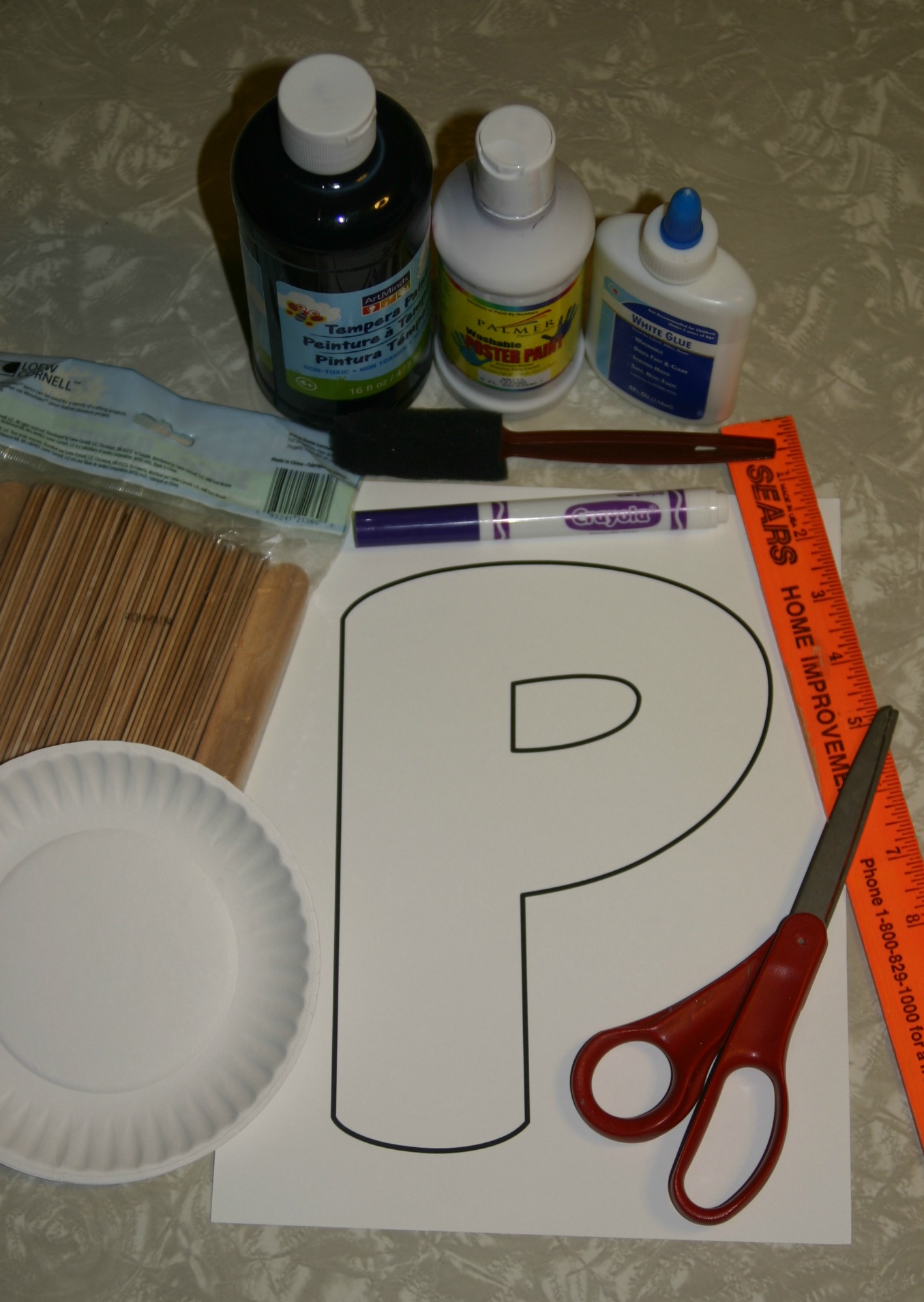
Materials needed:

Keyboards: Materials Needed for Piano Craft

P – Capital Letter (comes from the set Upper Case Stencils (Large) A-Z by Lani)
White cardstock
10 Tongue depressor sized craft sticks
White paint
Black paint
White craft glue
Scissors
optional – crayons or markers

Instructions:

1. On cardstock, print the letter P template letter P template
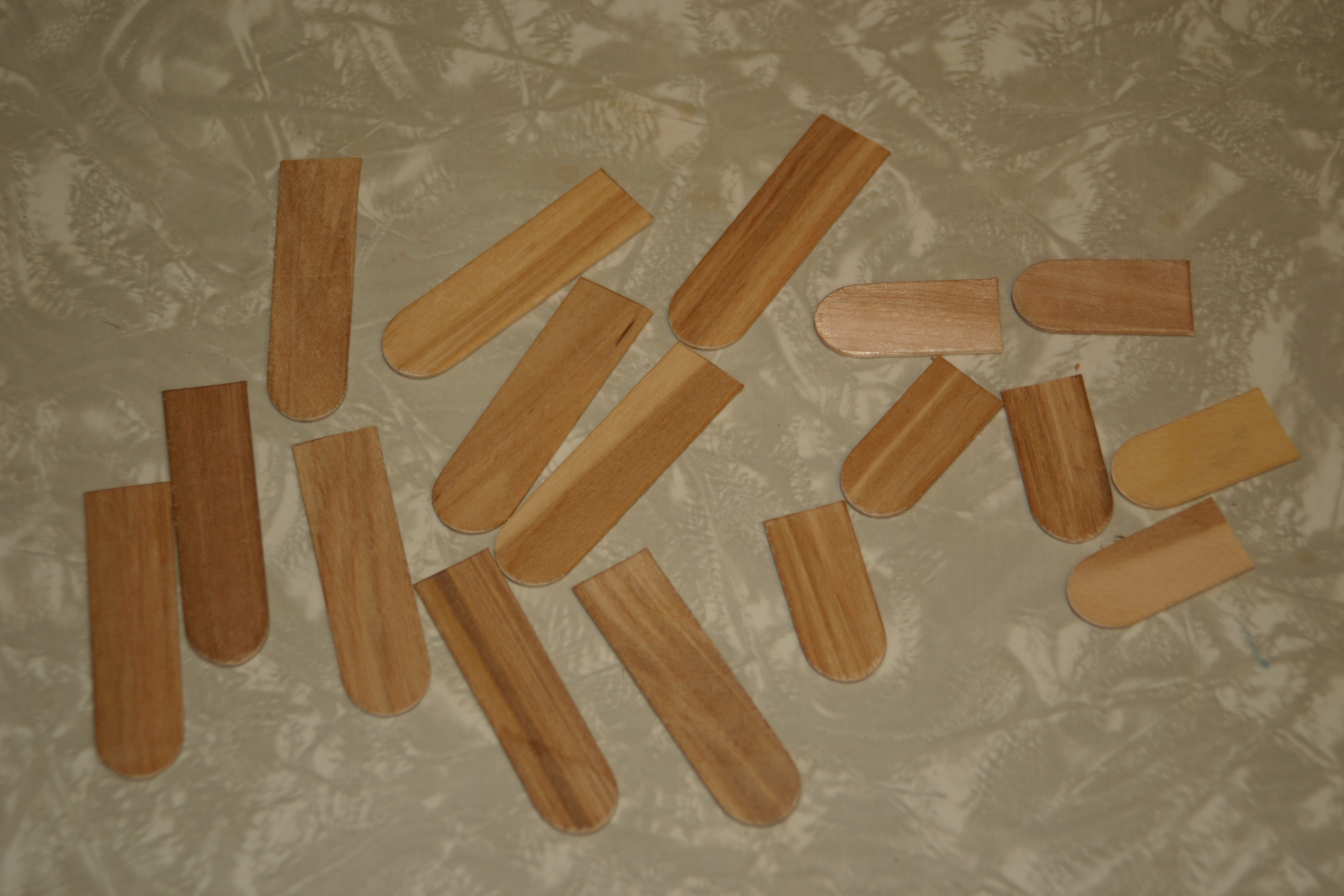
2. Cut the 10 tongue depressor sized craft sticks to 2 ½ inches.
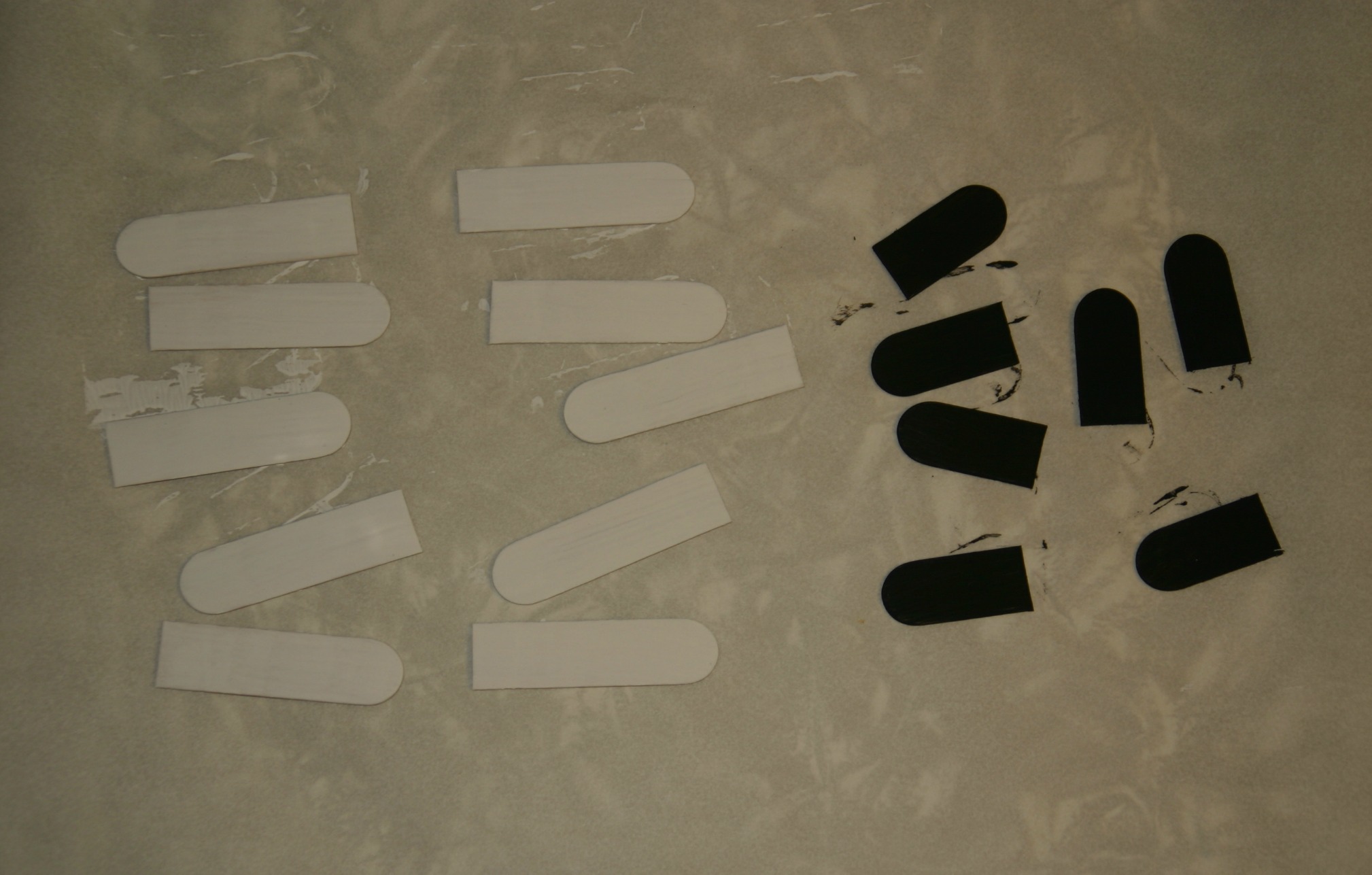
3. Paint them white.
4. From the scrap pieces of tongue depressor sized craft sticks, cut 7 of them to 1 ½ inches.

Cutting Craft Sticks for Piano Craft

5. Paint these 7 pieces black.

Painted "Piano Keys" for Piano Craft
Painted “Piano Keys” for Piano Craft

6. Spread the white craft glue on the long “stem” side of the letter P. I like to use foam applicators for spreading glue. (The craft sticks will not go all the way from the top to the bottom so you might want to lay them out before you put down the glue just to get an idea of where you want them to end up.)
7. Add glue to the back of the black pieces and lay them out in the pattern of a piano keyboard (3 black keys, the 2 black keys) Refer to the picture if you aren’t sure how a piano keyboard looks. If you have a piano at home have your child look at your keyboard and see if they can figure out how to place the black keys.

Keyboards: Piano Craft: P is for Piano

*** Other options would be to let your child color or paint the letter P before you glue the piano keys to it. This craft would also be good when learning the alphabet. You can purchase the entire alphabet collection from Lani at Upper Case Stencils (Large) A-Z. This set would be great for crafts, when learning and practicing the alphabet, or to make up games to help with letter recognition.

(top)

Musical Outings

In Indianapolis, you can find many places that give free outdoor concerts during the summer. Maybe you have the same opportunities in your area. Outdoor concerts are a great way to introduce your children to live music because they can sit in their own lawn chair, on a blanket or even get up and dance around a little. Expose your children to many types of music. Take the time to talk about what they are hearing, how it makes them feel and the different instruments they are seeing and hearing.

Shannon from Mamamusing wants you to know: “In London, there are several outdoor concerts and festivals in Victoria Park during the summer. One of the best is Sunfest (beginning of July). You can check out a video of my kids enjoying the multicultural music and dancing by clicking here.”

Story Time

Pianos (Music Makers) by Pamela K. Harris
Reading Level: Ages 6 and up
Your child will gather a lot of interesting information about pianos from this book. For instance, did you know that a piano is sometimes considered a string instrument? Most of the time you can’t see the strings but they are in there. Other people say that a piano is a percussion instrument because little hammers hit the strings to make the sounds you hear. Your child will learn how a piano is made and how it is played. They will hear and see that pianos come in many different shapes and sizes. They will hear about some great musicians that played and wrote music for the piano. The illustrations are pictures of pianos and people playing them. Your child will enjoy learning about pianos while reading this book.

Keyboards (Instruments and Music) by Daniel Nunn
Reading Level: Ages 4 to 8 yrs old
This book is a great introduction to keyboards, for your young child. It explains the different types of keyboards; pianos, organs and several others. Some keyboards are small enough to carry around and others take up a large part of the auditorium. Have fun helping your child learn about keyboards with this informative but simple book.

(top)

Related Posts

Music at an Early Age by Shannon at Mamamusing
Fun with Music: Overview
Fun with Music: Percussion Instruments
Fun with Music: Brass Instruments
Fun with Music: Voices
Fun with Music: String Instruments

(top)

Filed Under: Music Tagged With: children and music, educational activities, fun learning, fun with music, keyboards, laugh, love to laugh and learn, music, music fun, organs, piano, piano craft, pianos

Fun with Music: Voices

September 15, 2013 by Mama Carmody 28 Comments

Fun with Music: Voices


This post, “Fun with Music – Sting Instruments”, is written in collaboration with Shannon Wijnker, who used to blog on Mamamusing. Shannon is a music teacher and mother of four.

Shannon writes:
Many parents want to give their children the gift of music, but don’t know where to start. I think that teaching children how to explore their voice and singing is so easy and something that every parent can encourage. And it doesn’t have to cost a cent!

Content:

Playtime
Craft
Musical Outings
Story Time
Games Online
Related Posts

Playtime

More from Shannon:

I wrote a post about Music at an Early Age, and in my post I touch on my philosophy about educating our children to be musical.

It is never too early to start building a foundation that facilitates musical proficiency. Babies and toddlers learn about music by first learning about sound. They experiment with their voices make different sounds of varying volumes. While many parents will recognize this as ‘noise’ it is a great first step. Encourage them to explore various ways to make sounds with their mouths and talk about how to modulate their volume.

A tip: I teach my students to put their fingers against their windpipe. If they whisper they don’t feel a vibration. If they are talking or shouting, then they will feel a vibration. This helps to build the concept of volume.

Also, let them experiment with their voice. Children will naturally do this, so let them feel free to explore. Though some encouragement, they will create their own songs about random subjects. (The other day my daughter sang about how she was sorry for hitting her sister after she was let out of time out).

Visit my blog I mentioned earlier to watch a video of my 18 month old experimenting with her voice in the car.

Children learn best thru example and modeling. That means that you need to show them that you enjoy listening to music and/or singing. If you aren’t prepared to sing with your kids, then make sure to play a CD or two repetitively so they can learn the songs. Children need to hear songs that only have a few notes. Not pop songs! Learning these songs also helps with language acquisition, because they are learning rhyme. Don’t overwhelm them with too many songs. They will only feel comfortable trying to sing, once they know a song inside and out. You cannot play a song too much for a child. If you’re getting sick of it, they are just beginning to memorize/internalize it!

Echo songs are also a great idea. Small pieces of melody are easier to learn, and they foster a musical independence. Many children will only sing with a recording, and they need to be confident with their own voice. (eg. Down By the Bay)

A common complaint by many adults is that they are simply ‘tone deaf’. I disagree. They are not tone deaf, but did not develop the proper muscles to sing in tune. Trying to sing up a scale is very difficult for a child. It is much easier for them to start high and sing down. If you pay attention, many children’s songs have a lot of descending passages because of this. Until the muscles develop (you can work on these muscles by singing, and by starting from a high note and singing to a low note), singing outside of a notes which are naturally comfortable will result in ‘out-of-tune-ness’.

Some exercises:

· Sigh from the top of your voice to the bottom (test how high/low you can go)
· Use sounds such as “mmmm” “zzzz” “vvvv”
· Sing lying on the floor
· Make “siren” noises without straining
· Teach them to match pitch by singing back the note you are singing
· Have them follow your hand up and down with their voice (or draw their name while following the hand with their voice!) – this may take some practice
· Have them hum and get them to recognize that sensation when they sing

Remember that kids learn best by doing, not by being told how to do something. When they lose interest, move on and try again another time. Children learn best by repetition. Also, songs are much more fun with movement and actions. Have fun!

(top)

Craft

Microphone

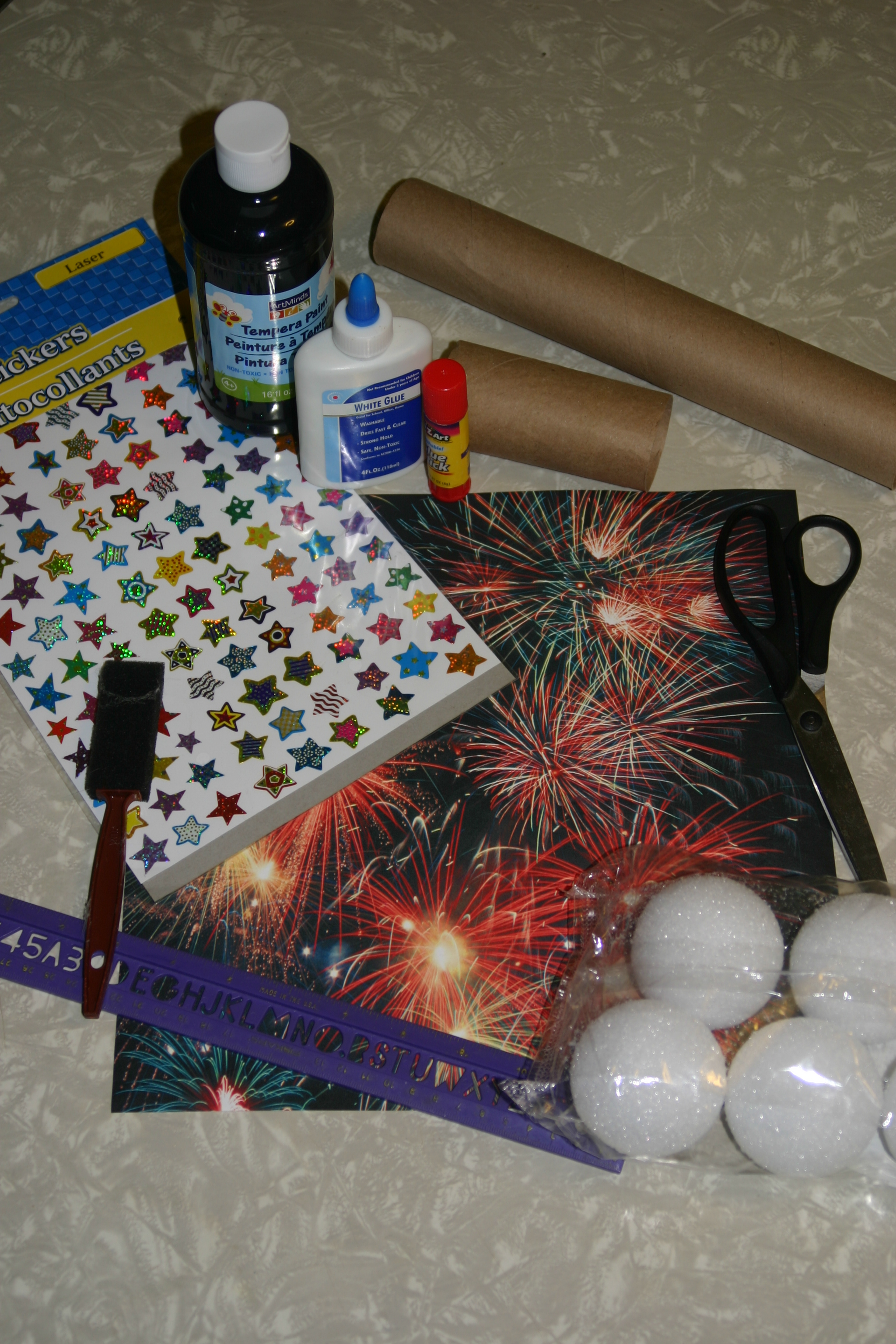
Love to Laugh and Learn: Materials Needed for Microphone Craft
Materials Needed:

Empty paper towel roll or toilet paper roll
Small styrofoam ball – 2 1/2 inches (63 mm)
Fancy scrapbook paper, construction paper or paint
White craft glue
Decorations (sparkly stickers, foam stickers, markers, etc)

Instructions:

1) Cover the workspace. I used parchment paper because I was able to get it cheap at the Dollar Tree Store. And cover the child. I found an old tee shirt.

2) I cut a ring from a toilet paper roll to set the styrofoam ball on so that it wouldn’t roll away.

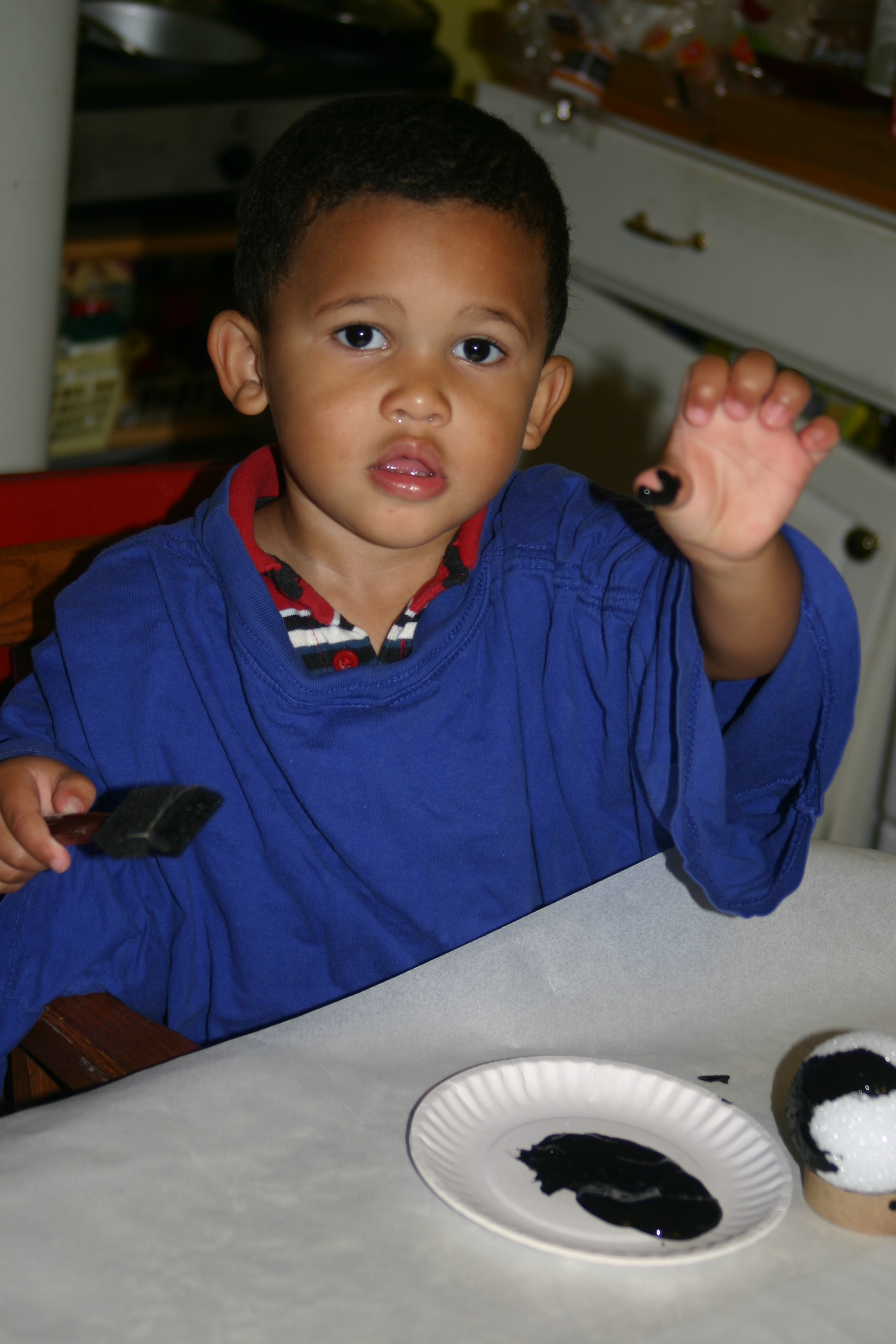
3) Paint the styrofoam ball black or silver. I like to use foam applicators for painting large surfaces. The most difficult part of painting the ball was learning that its okay to get your fingers messy.

Love to Laugh and Learn: Microphone Craft - Fun with Music: Voices
Love to Laugh and Learn: Microphone Craft – Fun with Music: Voices

But he got used to it and enjoyed the painting.

Fun with Music: Voices - Microphone Craft
Fun with Music: Voices – Microphone Craft

4) We are making two microphones; one from a paper towel roll and one from a toilet paper roll. I couldn’t decide which would be better for a 2 year old so we made both.

5) You can decorate the rolls however you like. You could paint them but I decided to use a fancy piece of scrapbook paper. I cut it to fit each roll.

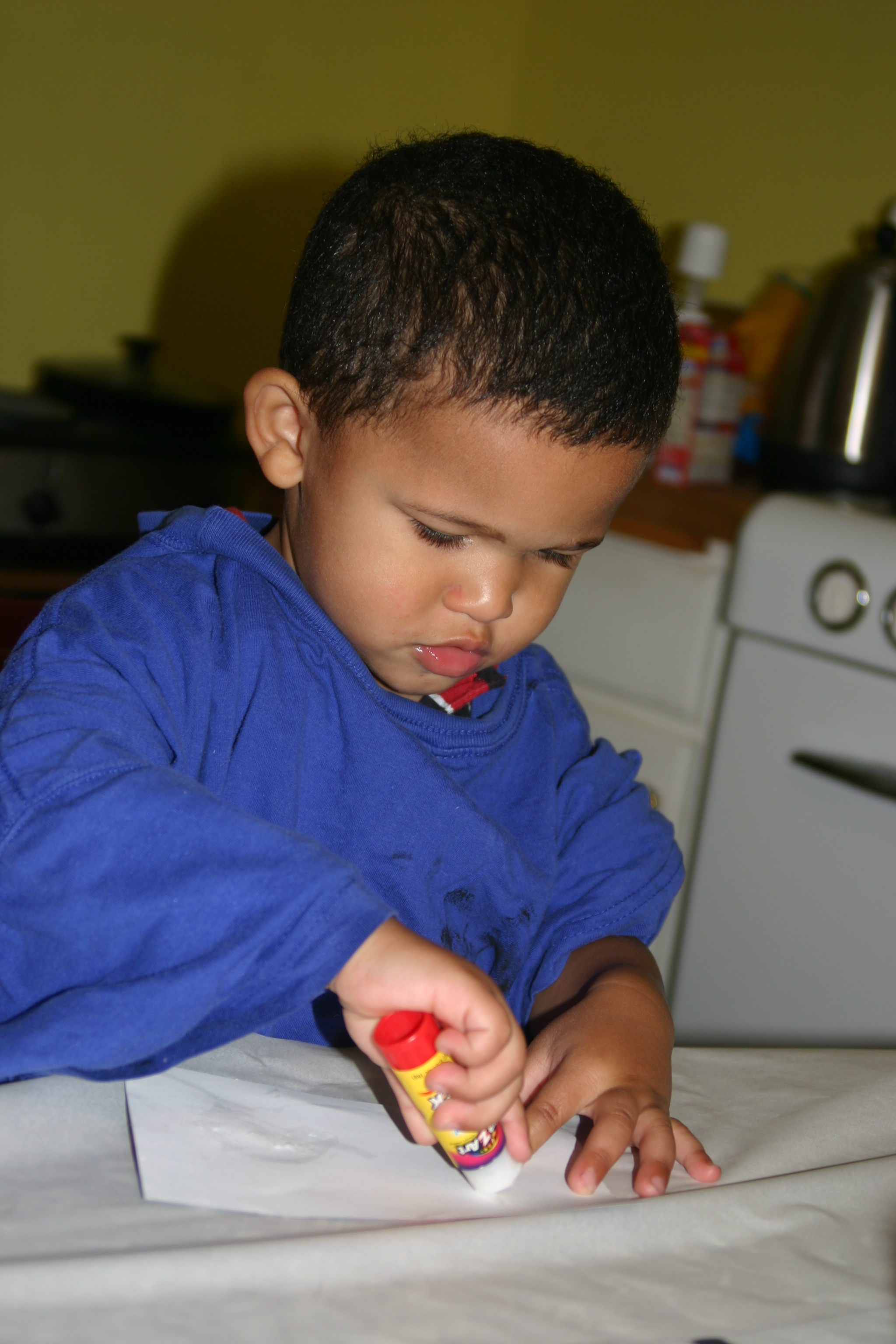
6) We glued the paper and then applied it to the rolls. Jeremiah used the glue stick and then I added some white craft glue for extra adhesion.

Love to Laugh and Learn: Gluing Paper for Microphone Craft

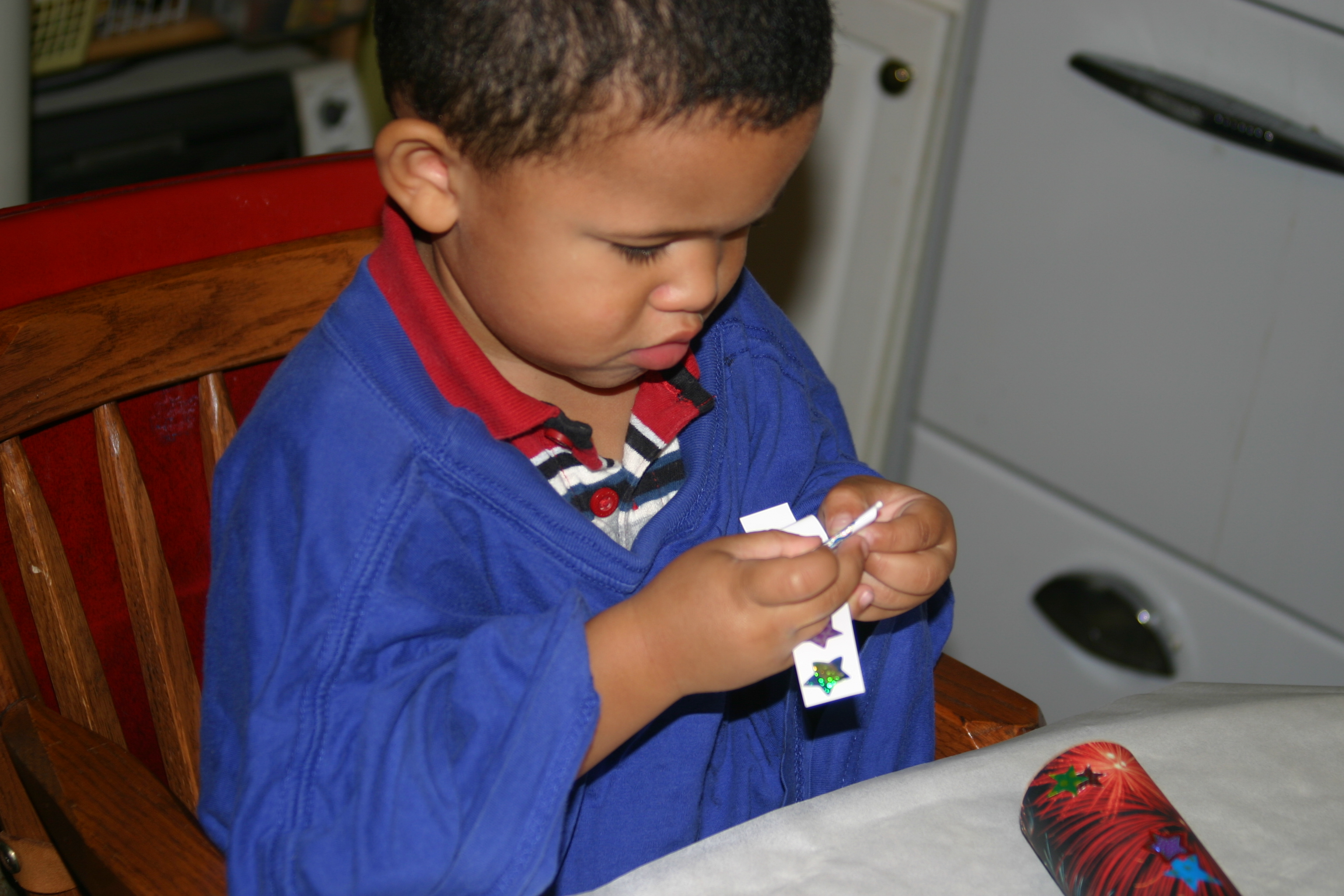
7) Jeremiah added some stickers because stickers are fun and they are a great fine motor exercise.

Love to Laugh and Learn: Applying Stickers

8) Finally we attached the balls to the top. Make sure to use a thick craft glue. I ended up adding some super glue but super glue should be used with caution and by adults only.

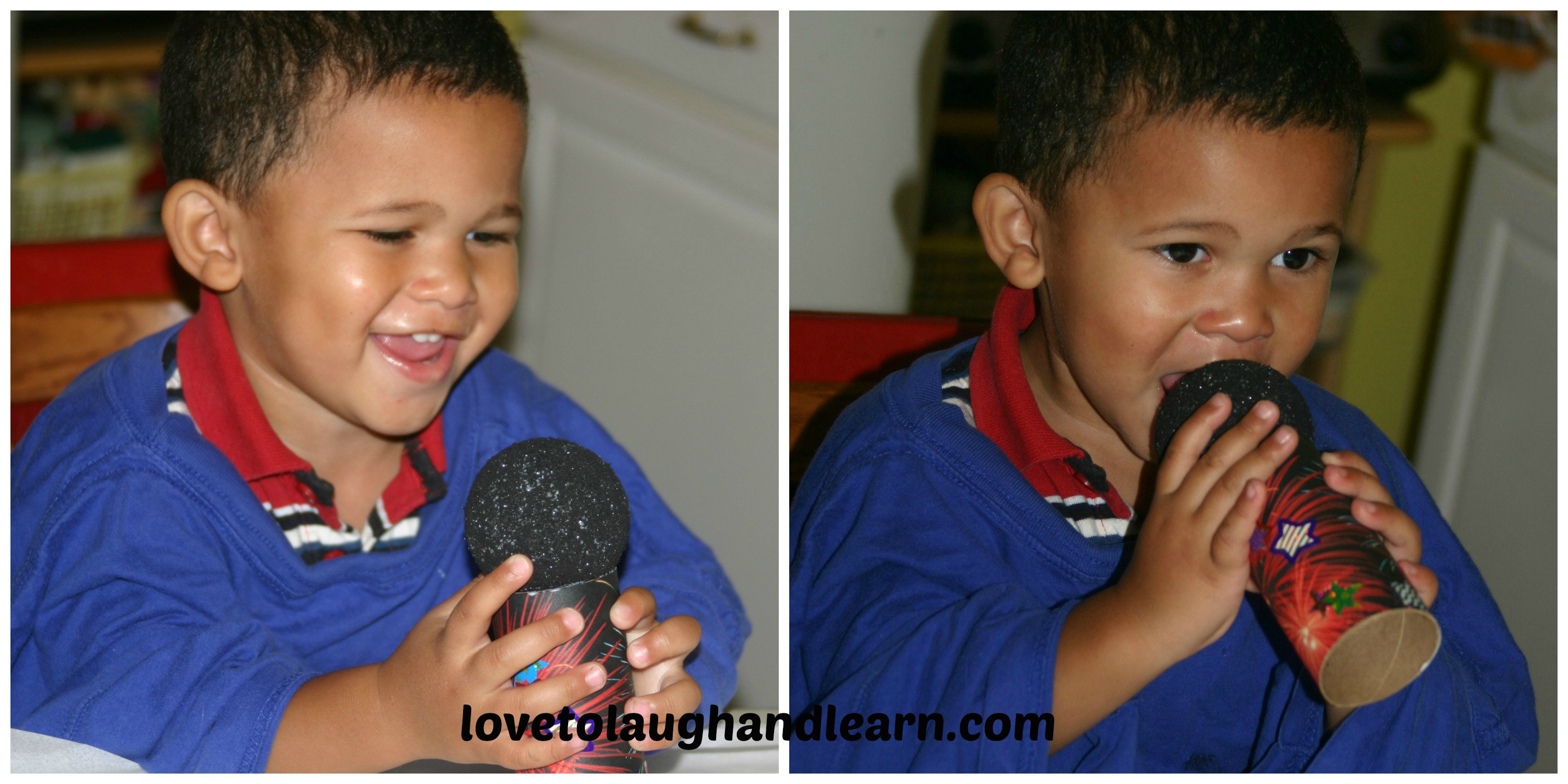
9) Now we can enjoy using our voices by singing into our microphones. The toilet paper size was better for little hands but the paper towel roll was a great size for older kids.

Love to Laugh and Learn: The microphone craft is a hit! Fun with Music: Voices

This microphone craft was adapted from itmom.

(top)

Musical Outings

Take your children to any place that live music is being played. In Indianapolis, you can find many places that give free outdoor concerts during the summer. Maybe you have the same opportunities in your area. Outdoor concerts are a great way to introduce your children to live music because they can sit in their own lawn chair, on a blanket or even get up and dance around a little. Maybe you have older children or neighbors that participate in a school band. Take your children to see them. Expose your children to many types of music. Take the time to talk about what they are hearing, how it makes them feel and the different instruments they are seeing and hearing.

Shannon from Mamamusing wants you to know: “In London, there are several outdoor concerts and festivals in Victoria Park during the summer. One of the best is Sunfest (beginning of July). You can check out a video of my kids enjoying the multicultural music and dancing byclicking here.”

(top)


Storytime

Freddie the Frog® and the Flying Jazz Kitten – 5th Adventure: Scat Cat Island by Sharon Burch
Reading Level: Ages 4 – 9 yrs old
Freddie the Frog meets the Flying Jazz Kitten and learns about wonderful new ways to use his voice. The Flying Jazz Kitten teaches Freddie the Frog the swingin’ beat and excitement of jazz scat singing. There is also a CD with the dramatized story, sing-along songs and an instrumental blues track to create your own special scat.

The Voice and Singing (Let’s Make Music) by Rita Storey
Reading Level: Ages 6 yrs old and up
Each person carries around a special instrument with them wherever they go; their voice. Your child will enjoy learning about their voice in this cute informational book. In simple descriptions, they will learn how their voice works. They will learn about many different styles of singing and different ways they can enjoy singing. Whether they are listening to others sing or using their own voices, singing is fun.

Voices (Instruments and Music) by Daniel Nunn
Reading Level: Ages 4 to 8 yrs old
An instrument that we don’t discuss very often is the voice. This book describes how people use their voices to make music. Sometimes they are accompanied by another instrument or other voices. Sometimes they sing all alone. Share this book with your child and help them learn how their voice is an instrument to enjoy.

Voices and Singing (How the World Makes Music) by Anita Ganeri
Reading Level: Ages 6 and up
This book covers voices as a musical instrument. Your child will learn about many styles of singing from all over the world. The way people use their voices from other parts of the world can sound very different than what we are used to hearing. Along with reading this book take some time to look on the internet and find examples of the different ways people use their voices, such as jazz singing, gospel singing, throat singing and yodeling. How do you and your children use your voices to make music?

(top)

Games Online

Shannon from Mamamusing shares some fun online games:

Now that you have introduced your children to some of the various instrument families in the orchestra, you may want to visit The Young Person’s Guide to the Orchestra. This is a website created by Carnegie Hall which is a wonderfully FREE interactive online game for young children to explore and learn more about the various instruments of the orchestra. You will need to use a computer, because the game requires Adobe Flash, which you can download for free (if you don’t already have this utility installed on your computer).

There is also a wonderful set of books for children ages 4 to 8 years old that helps them learn different musical concepts. Along with the books the author, Sharon Burch, has a website with coloring pages and games for your child to enjoy and enhance their learning experience: Freddie the Frog Games and Coloring Pages

(top)

Related Posts

Music at an Early Age by Shannon at Mamamusing
Fun with Music – Overview
Fun with Music – Percussion Instruments
Fun with Music – Brass Instruments
Fun with Music – Woodwind Instruments
Fun with Music: String Instruments
Fun with Music: Keyboards

(top)

Filed Under: Learning Activities, Music Tagged With: children and music, educational activities, fun learning, fun with music, laugh, learning, learning fun, learning opportunities, love to laugh, love to laugh and learn, love to learn, making learning fun, music fun, singing, voice, voices

  • 1
  • 2
  • 3
  • …
  • 5
  • Next Page »

Don’t Miss This Great Book

Categories

  • Articles
  • Attractions and Events
  • Autumn/Fall
  • Children's Books
  • Christmas
  • Coloring Pages
  • Colors
  • Community Helpers
  • Contest
  • Cooking with Kids
  • eBundles
  • Free Printables
  • Gardening
  • Halloween
  • Holidays
  • Learning Activities
  • Music
  • Reviews
  • Sensory Bins
  • Shapes
  • Thanksgiving
  • Uncategorized

Follow Me on Bloglovin

Follow on Bloglovin

Recent Posts

  • Yes, You Can Eat Raw Pumpkin! Try My Fall Harvest Fruit Salad
  • Zombie Zapper Brain Boost Smoothie
  • Learning Fun at Disney: The Importance of Imagination
  • Learning Fun at Disney: Manners
  • How to Eat A Pumpkin: A Lesson From a 3 Year Old
  • How to Eat a Pumpkin, Part 2
  • Pumpkins are Orange; and Other Learning Concepts
  • Love to Laugh and Learn at the Apple Orchard

Check This Out

Holiday Toy List – STEM Toys

Books

US Family Guide

USFamilyGuide.com

Recent Comments

  • Mama Carmody on Your Favorite Childhood Book
  • Lisa Smiley on Your Favorite Childhood Book
  • Harlow's Harvest on Eggs in a Nest: Cooking with Kids

Copyright © 2026 · Lifestyle Pro Theme on Genesis Framework · WordPress · Log in